
Planning a Clear View Below Ground
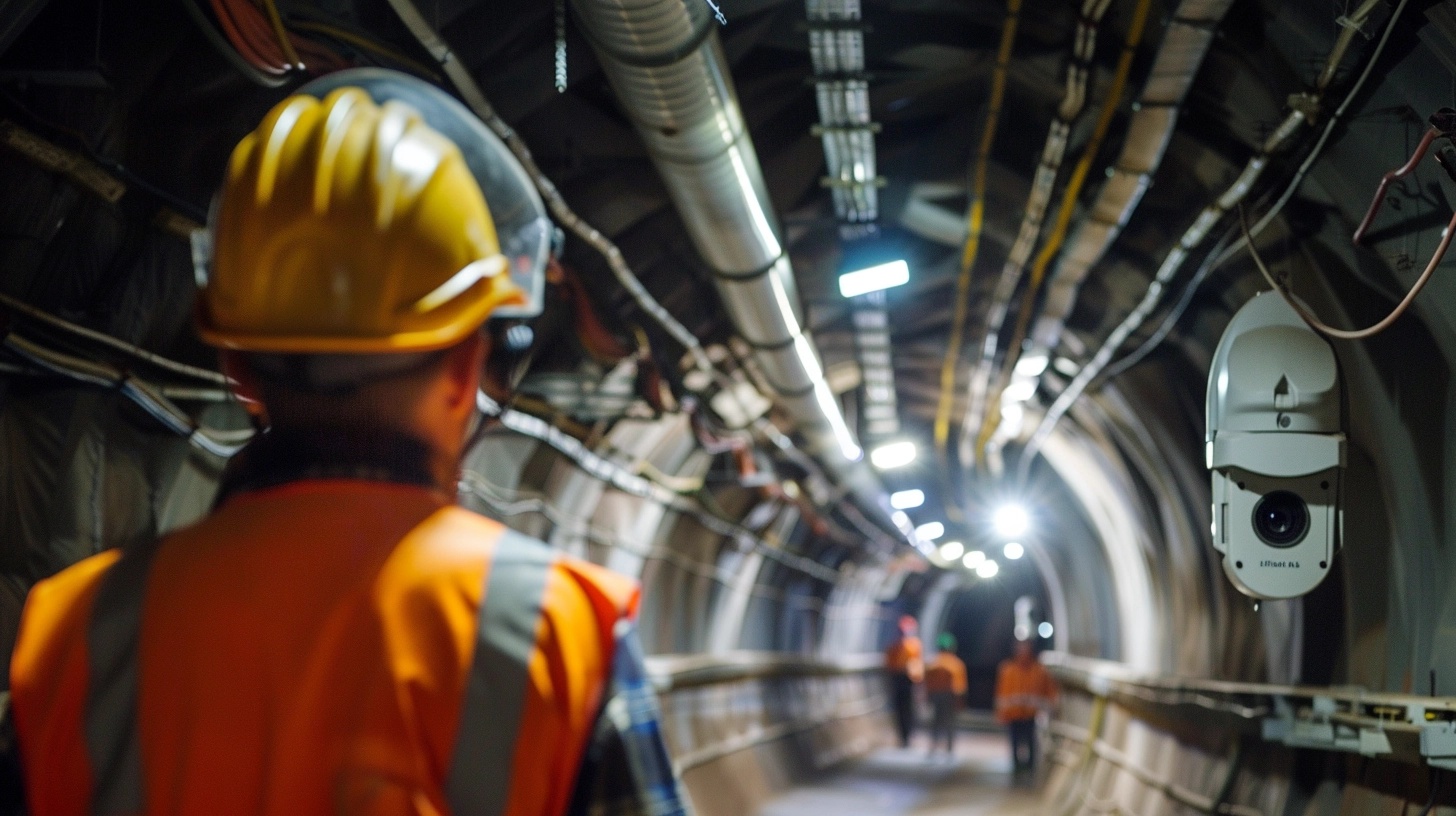
Installing video surveillance in mines starts with a strategic design to overcome the dark, rugged conditions of underground sites. Cameras must be positioned to cover key areas like entry points, machinery zones, and worker pathways, ensuring comprehensive visibility. High-resolution, low-light cameras with durable casings, like those from Hikvision’s industrial line, are mapped out to integrate with existing networks, providing live feeds to control rooms. This initial phase is crucial for balancing coverage with the practical limits of power and connectivity in remote locations.
Deploying Robust Systems in Tough Terrain
The installation process involves mounting cameras and wiring them through harsh environments, where dust, moisture, and vibrations test equipment durability. Technicians often use explosion-proof enclosures and fiber-optic cabling to protect against hazards and maintain signal quality over long distances. Recent advancements, such as wireless IP cameras with battery backups, simplify deployment in hard-to-reach areas, reducing installation time. Rigorous testing follows to ensure each unit withstands the mine’s conditions, delivering reliable footage for both real-time monitoring and incident analysis.
Maximizing Impact Through Integration and Maintenance
Once installed, video surveillance systems are linked to centralized software for seamless operation, often paired with AI analytics to detect anomalies like unauthorized access or equipment malfunctions. Regular maintenance - cleaning lenses, checking connections, and updating firmware - keeps the system effective, especially in dusty mines where visibility can degrade fast. This setup not only bolsters security but also supports safety protocols, enabling quick responses to emergencies and providing a visual record that aids training and compliance efforts.