
The Backbone of Mining Data Systems
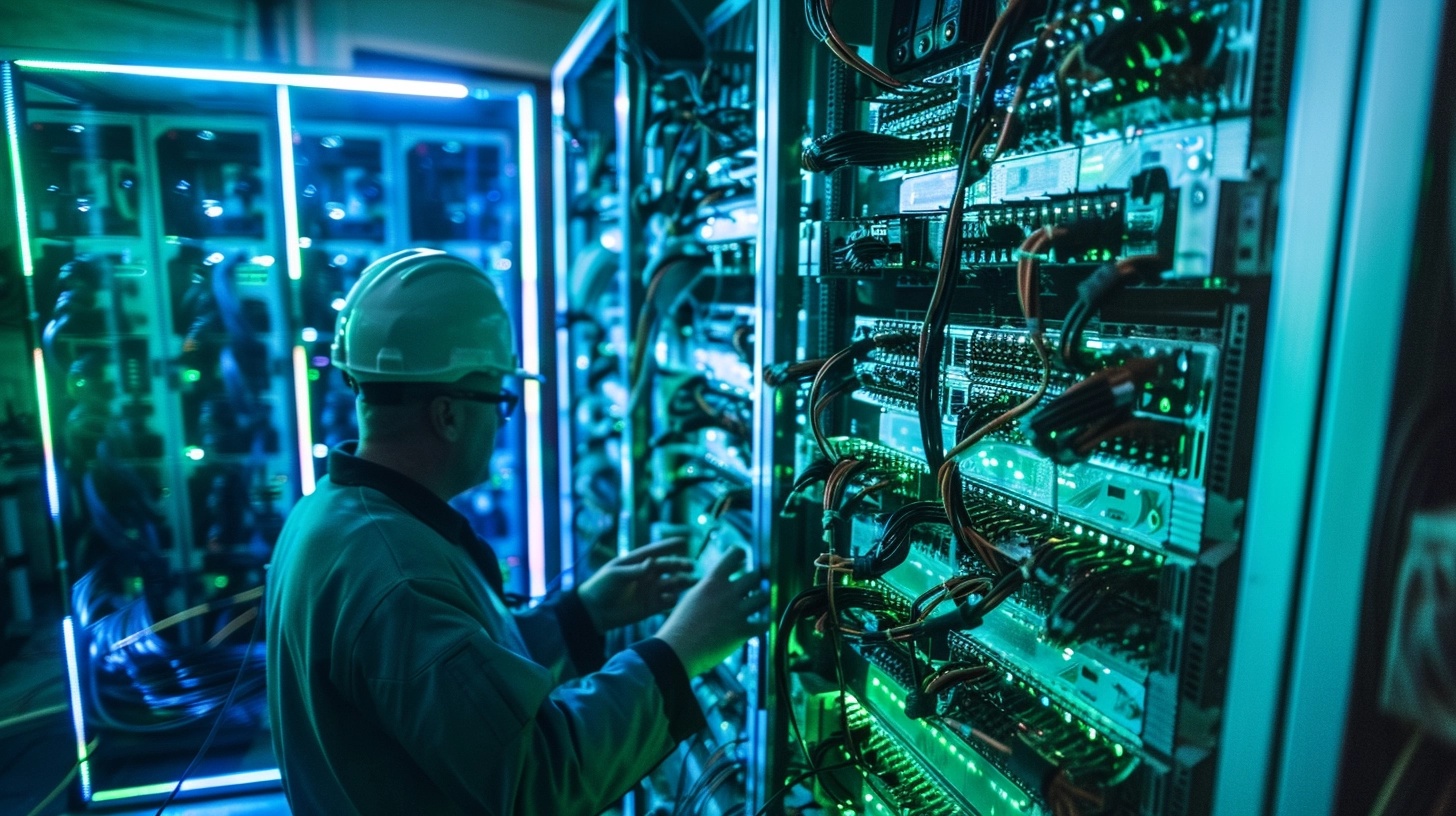
Server maintenance is the unsung hero of modern mining, ensuring the digital infrastructure that supports everything from equipment monitoring to safety systems remains operational. Mines rely heavily on servers to process real-time data from IoT sensors and control systems. Routine tasks like updating software, checking hardware integrity, and monitoring cooling systems prevent unexpected failures. For instance, a server crash in a remote mine could halt ventilation controls, making proactive maintenance - guided by IT standards like ITIL - a non-negotiable priority for operational stability.
Tackling Challenges in Harsh Environments
Maintaining servers in mining settings comes with unique hurdles, given the dust, vibrations, and extreme temperatures typical of these sites. Technicians must schedule regular cleanings to remove particulate buildup and inspect connections for wear, often using ruggedized hardware designed for industrial use. Innovations like Dell’s Edge Server line, enhanced in early 2025 with self-diagnostic capabilities, help automate some of these tasks, alerting teams to issues before they escalate. This proactive approach minimizes downtime, ensuring critical systems—like those tracking miner locations—stay online when they’re needed most.
Building Resilience Through Strategic Upkeep
Beyond daily checks, long-term server maintenance involves planning for scalability and security, vital as mining operations grow more data-intensive. Regular backups, firmware updates, and cybersecurity patches—especially after the 2024 rise in industrial ransomware attacks—keep servers resilient. Companies are also adopting predictive maintenance, using AI tools like IBM’s Maximo, updated in March 2025, to forecast hardware failures based on usage patterns. This strategic upkeep not only extends server lifespan but also supports compliance with data protection laws, safeguarding both operations and personnel in the digital age.